Parades and events
Missing a parade?
Help us keep Bloco Baco do Parangolé's schedule up to date so more revelers can plan ahead.
2026· 1 past parade
About Bloco Baco do Parangolé
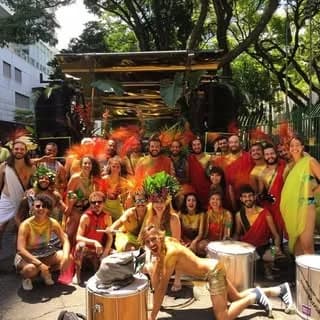
Bloco Baco do Parangolé is a vibrant Carnival bloco that parades in the streets of Rio de Janeiro, Brazil. Known for its lively atmosphere and energetic music, it draws a large crowd of revelers each year. The bloco’s repertoire typically includes a mix of classic Carnival songs and original compositions, often with a focus on samba and pagode rhythms. While specific details about its founders and exact parade routes can vary, Bloco Baco do Parangolé is a staple of Rio's Carnival celebrations, contributing to the city's rich cultural heritage.
More blocos in São Paulo
- Explode Coração
- Bloco do Prazer (bloco da Gal)
- Bloco Vietna
- Improbloco
- Bloco do Ze Pereira
- Localiza Ai BB
- Bloco Bagaceira
- Bloco Baguncinha
- Bloco Bahianidade
- Bloco Bahia Sampa
- Bloco Baianada
- Bloco Bastardo
Follow Bloco Baco do Parangolé
Info
- City of origin
- São Paulo, SP
- Established
- Since 2015